
Invasive weed control bylaw
The enforcement program for invasive weeds operates between April 1 through to September 30.
Invasive weeds are defined as any plant or tree which has the potential to pose negative or detrimental impacts on humans, animals, or ecosystems. Typically these plants grow and multiply quickly and have been introduced from another region or country.
Bylaws
Noxious Weed Control | Bylaw No. 1544 requires property owners in Electoral Areas East and West, the City of Kelowna, District of Lake Country and District of Peachland to prevent the growth of noxious weeds and tall grasses and to provide for the cutting or destruction of noxious weeds and tall grasses.
The City of West Kelowna enforces their own Noxious Weed bylaw (See West Kelowna bylaw compliance).
General requirements:
- Non-invasive weeds and grasses must be kept under 8 inches (20.32 cm) in height.
- Invasive weeds and grasses must be cut down and mulched, or otherwise destroyed and removed.
- This bylaw's enforcement period is April 1 and September 30.
You must provide your name, address and phone number and the civic address of the property that is of concern. Anonymous complaints cannot be accepted. Please submit your complaint online.
Complaints not governed by the RDCO
-
City of West Kelowna is not governed by the RDCO. More information can be found at Bylaw Compliance or by calling 778-797-8810.
- Boulevards, roadsides and obscured visibility site lines
- Call the Ministry of Transportation and Infrastructure (Okanagan Shuswap District) at 250-712-3660
- City of Kelowna Boulevard or Site Line
- District of Lake Country Boulevard or Site Line
- District of Peachland Boulevard or Site Line
Species of concern:
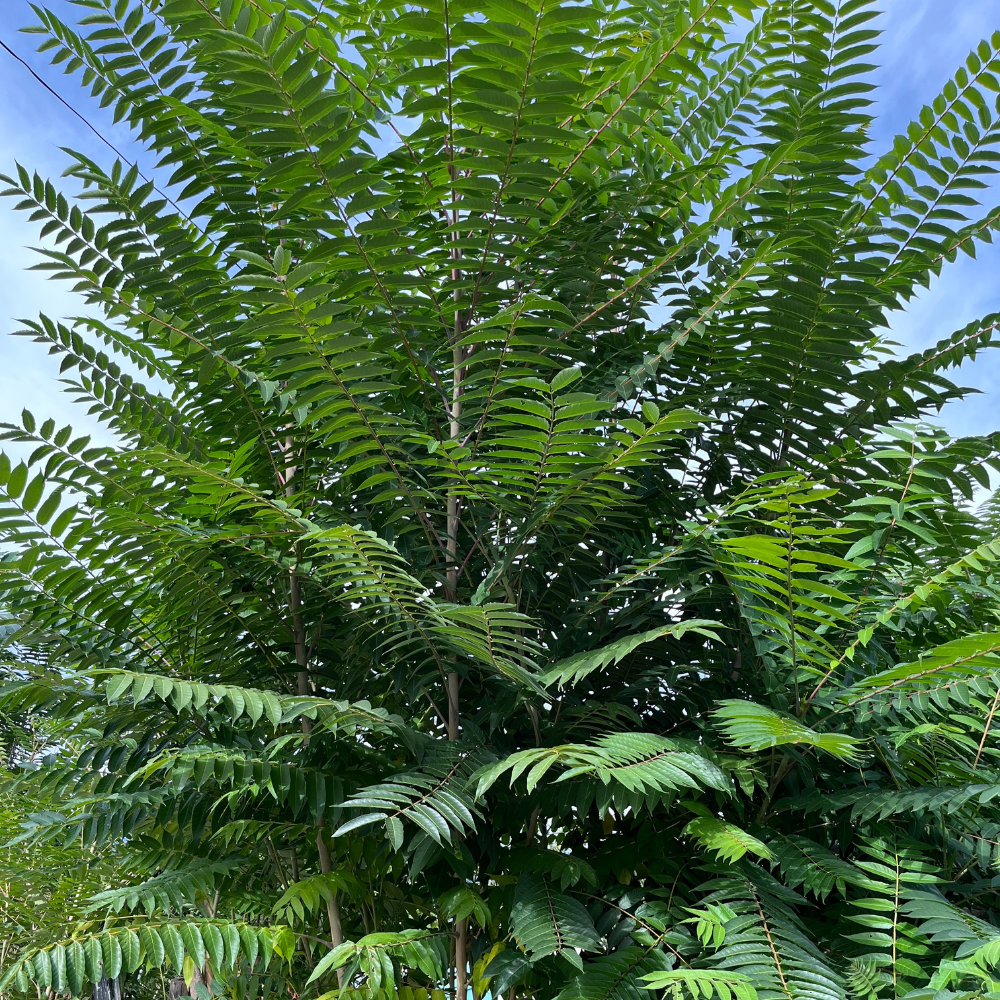
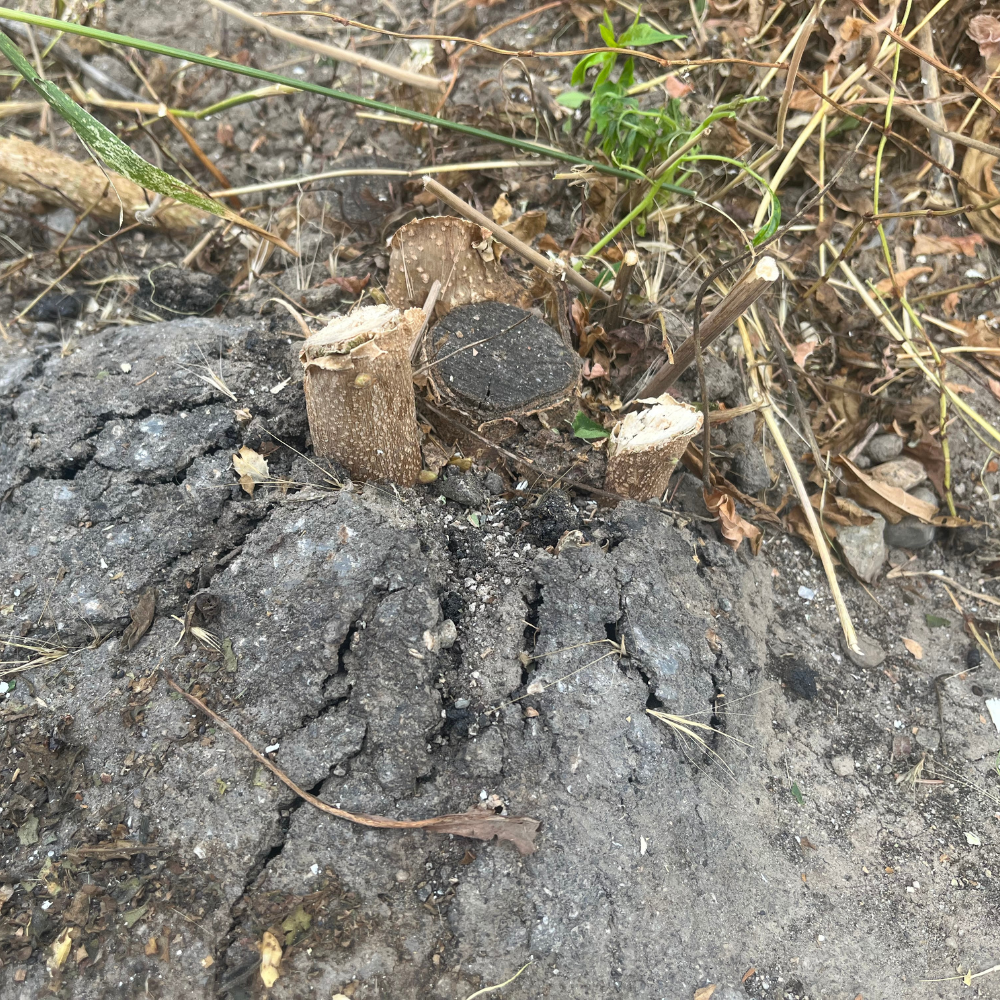
Tree of Heaven (Ailanthus altissima)
In March 2024, the Regional Board added Tree of Heaven (Ailanthus altissima) to the Noxious Weed Control | Bylaw No. 1544. The spotted lanternfly, an invasive pest that could devastate agriculture, prefers this host, though it has not yet arrived in BC.
The Tree of Heaven is a rapidly growing deciduous plant native to China and Taiwan. It produces by seed and by division and can sprout almost anywhere, tolerant to a wide range of environmental conditions. It is foul-smelling and tends to crowd out other plants.
The Invasive Species Council of BC provides additional information and best management practices in their Tree of Heaven factsheet.

Root for Change contest: Remove Tree of Heaven
Tree of Heaven (Ailanthus altissima) is an invasive species that spreads quickly and pushes out native plants. We’re inviting residents to help restore biodiversity, one yard at a time.
As part of our Root for Change initiative, we are partnering with the City of Kelowna to offer 100 free native Neighbourwoods trees to residents who remove a Tree of Heaven from their property.
How It Works
- Identify and remove a Tree of Heaven (Diameter at breast height (DBH) must be 10 cm or greater)
- Take a before and after photo showing the removed tree
- Submit your entry through our online form
- We’ll contact you to choose your Neighbourwoods replacement tree
- Pick up your new tree during the Neighbourwoods distribution period
Why Remove Tree of Heaven?
- It spreads aggressively
- It releases chemicals that prevent other plants from growing
- It damages infrastructure with fast-growing roots
- It outcompetes native plants that support local wildlife
Eligibility
-
Must be a resident of the Regional District of Central Okanagan (Kelowna, Lake Country, Peachland, Electoral Area East, or Electoral Area West). Residents of the City of West Kelowna are not eligible, as West Kelowna has its own invasive weed control bylaw.
- Tree of Heaven must be located on private property.
- DBH must meet or exceed the 10 cm requirement.
- One Neighbourwoods tree per household (while supplies last).
Join us in restoring native habitat and helping our community grow healthier, resilient green spaces.

Russian olive (Elaeagnus angustifolia)
Concern: Invasive tree/shrub, ecosystem impact
Disposal: Woody debris may be composted only after fully drying to eliminate viable seeds; landfill recommended for large branches.

Siberian elm (Ulmus pumila)
Concern: Invasive tree/shrub, ecosystem impact
Disposal: Dry branches and seeds thoroughly before composting, or bring to landfill for safer, seed‑free disposal.

Prickly lettuce (Lactuca serriola)
Concern: Livestock and hay risk, wildfire risk, hazardous to handle
Disposal: Bag or tarp and dry the plant until fully non‑viable before composting, or dispose at landfill if flowering.

Japanese knotweed (Reynoutria japonica)
Concern: Ecosystem impact, hazardous to handle, hard to remove
Disposal: Must be disposed of at a landfill (or incinerated); never compost, green‑bin, mulch or chip this species.

Hoary alyssum (Berteroa incana)
Hoary alyssum spreads quickly through seeds dispersed by vehicles, wildlife, and birds, can contaminate hay, and may cause illness in horses. Small white flowers with deeply notched petals.
Concern: Livestock and hay risk, agricultural impact
Disposal: Bag and solarize or fully dry until non-viable before composting, or take to landfill if seed heads are present.

Myrtle spurge (Euphorbia myrsinites)
Concern: Hazardous to handle, ecosystem impact
Disposal: Bag carefully (due to toxic sap) and allow material to fully dry before composting, or take to landfill for safer disposal.

Scotch thistle (Onopordum acanthium)
Concern: Wildfire risk, ecosystem impact, hazardous to handle
Disposal: Solarize or thoroughly dry before composting, or bring to landfill if mature seed heads remain.
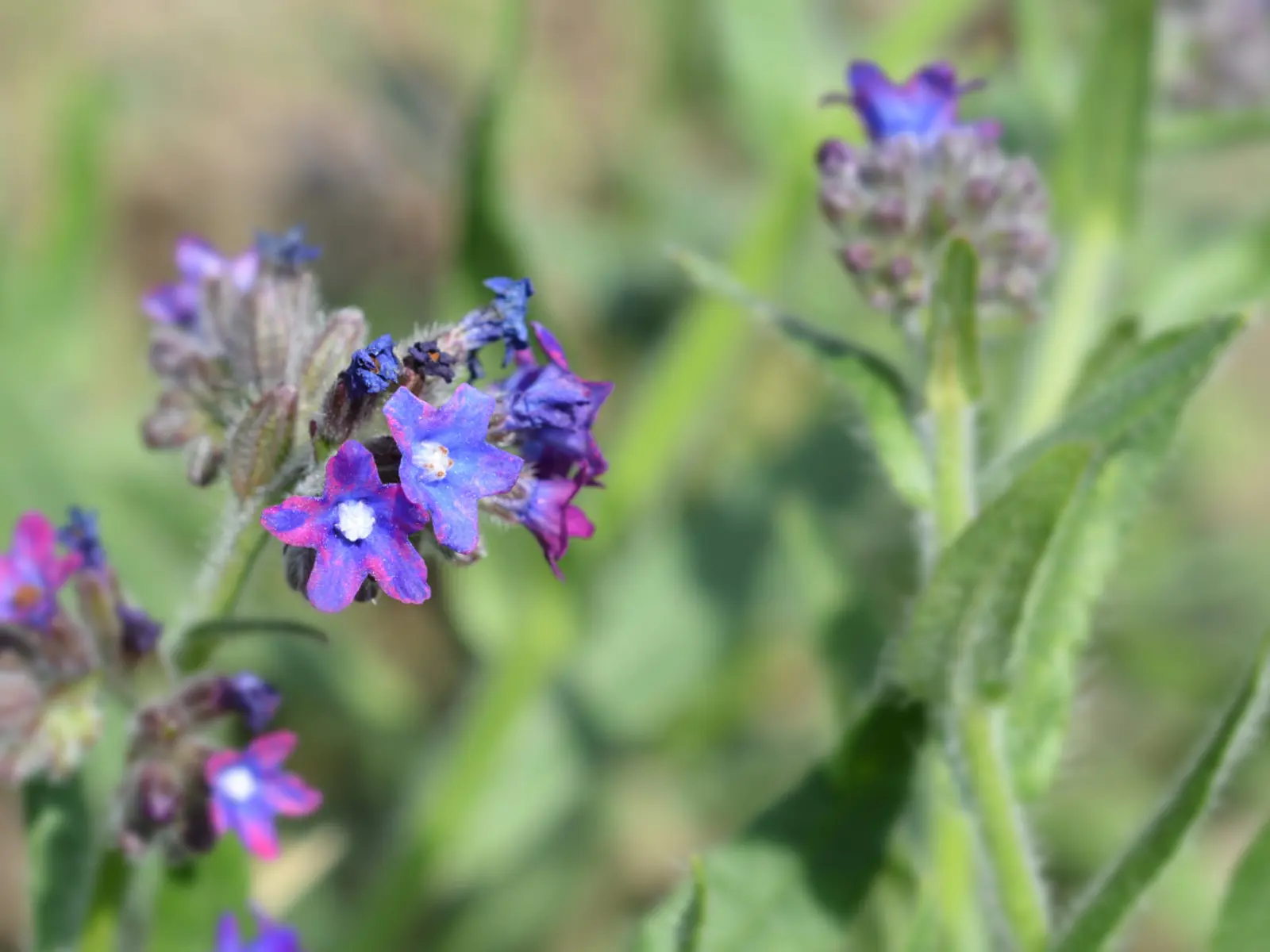
Common bugloss (Anchusa officinalis)
Concern: Livestock and hay risk, wildfire risk, agricultural impact
Disposal: Bag and solarize until non‑viable before composting, or take to landfill if seeds have developed.

Common burdock (Arctium minus)
Concern: Agricultural impact, ecosystem impact
Disposal: Bag and dry thoroughly before composting, or take to landfill when burrs are present.

Yellow salsify (Tragopogon dubius)
Disposal: Compost only after drying the plant thoroughly to eliminate viable seeds, otherwise dispose via landfill.

Baby’s breath (Gypsophila paniculata)
Concern: Ecosystem impact, wildfire risk
Disposal: Dry fully before composting and avoid placing floral waste in compost; landfill is recommended if seeds are present.

Knapweed (Centaurea spp. — diffuse/spotted)
Concern: Ecosystem impact, agricultural impact
Disposal: Bag and solarize or dry thoroughly before composting, or take to landfill if seed heads remain intact.

Cheatgrass (Bromus tectorum)
Concern: Livestock and hay risk, wildfire risk, ecosystem impact
Disposal: Due to easily spreadable seeds, dry completely before composting or take directly to landfill if unsure.

Teasel (Dipsacus fullonum)
Concern: Ecosystem impact, agricultural impact
Disposal: Compost only if the plant has been dried or solarized until fully dead; if seed heads are present or you’re unsure, take it to the landfill.
Contact Us


