Community safety

The RDCO promotes safe communities and provides community safety programs, working closely with the RCMP, in the Central Okanagan East and West Electoral Areas, Lake Country, Peachland, West Kelowna and Westbank First Nation.The City of Kelowna has its own Community Safety Coordinator and we work closely with them.

Our Community Safety Coordinator is responsible for the administration, research, development and presentation of all crime prevention programs. They also recruit volunteers who assist in the operation of the various volunteer programs. If you're interested in volunteering, see below for details.

Programs

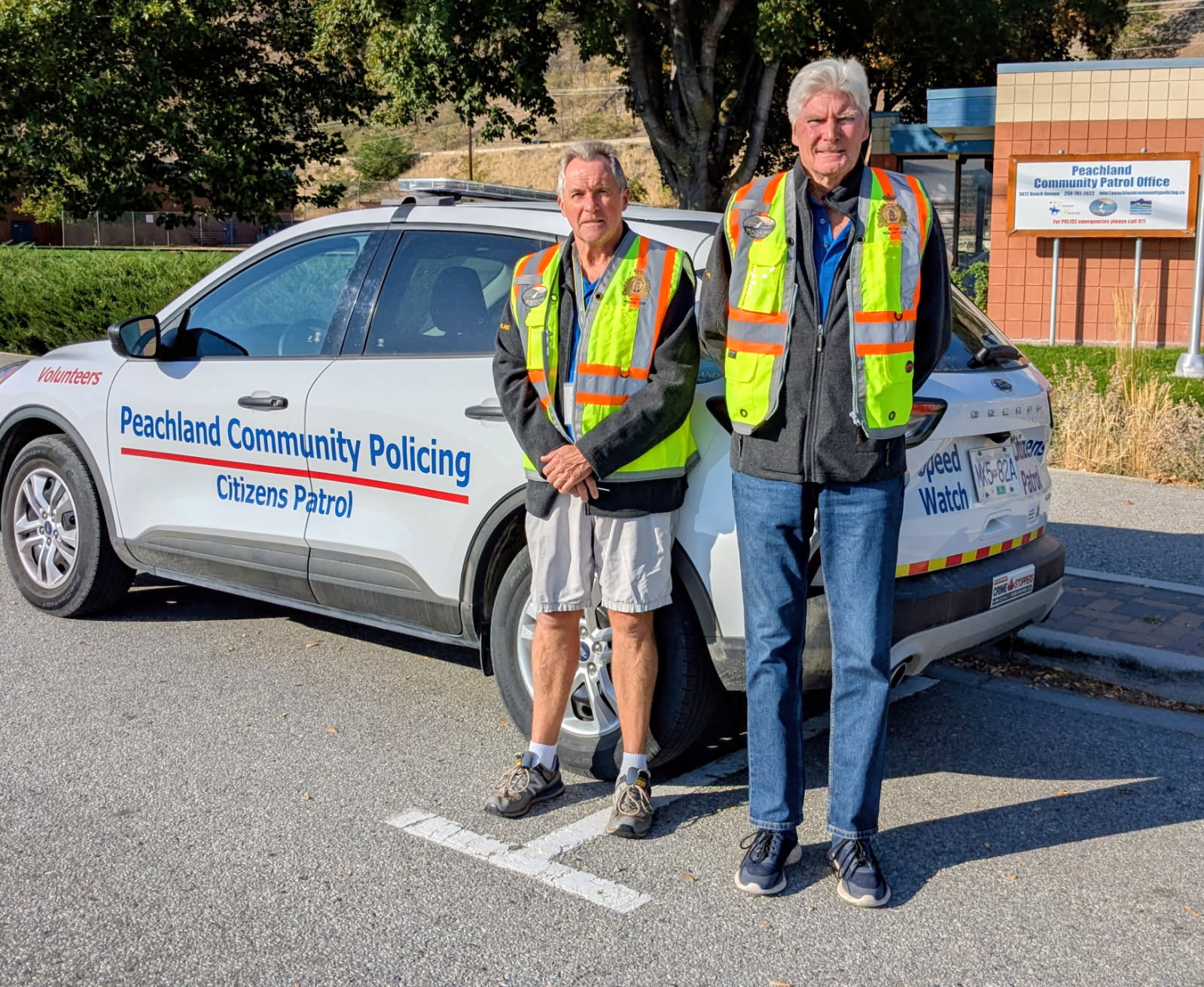
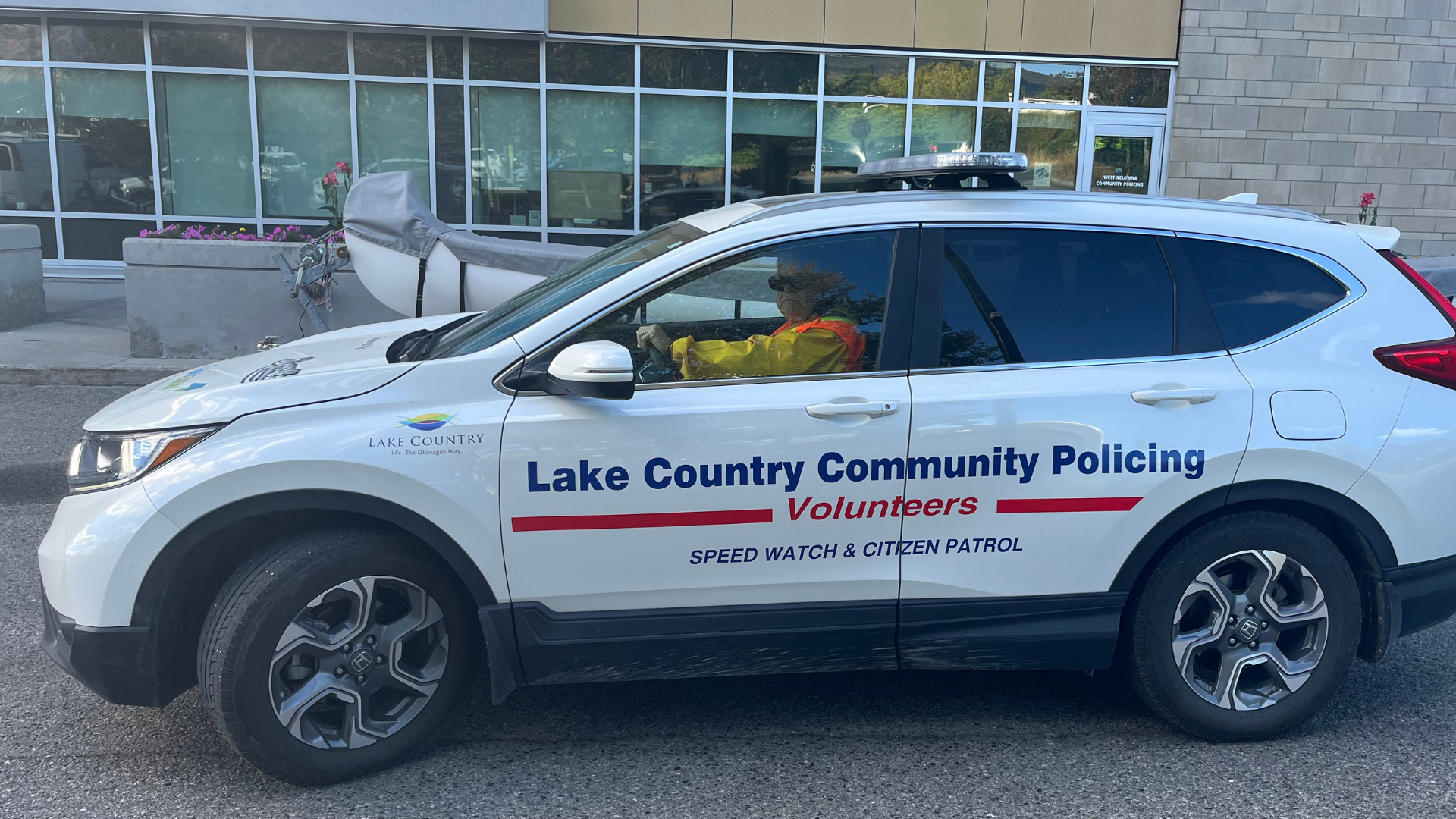
Community Policing Offices (CPOs) are part of the RCMP Community Policing initiative in the Central Okanagan, in partnership with the Regional District of Central Okanagan. CPOs are staffed by community volunteers and help build connections between community and police. CPO volunteers respond to routine enquiries from the general public, advise the public on crime prevention programs and maintain a number of ongoing programs such as: Citizens Patrol, Speed Watch, the RCMP Courier Program and more.

Contact our Crime Prevention Coordinator for additional information or get involved as a volunteer.

Objectives

  • Establish good communication between residents, businesses and community groups.
  • Increase public awareness of policing issues through effective communication with the community.
  • Increase community involvement in Crime Prevention and Community Policing activities through qualified volunteers both in the office and throughout the community.
  • Provide localized facilities for RCMP personnel to use as required for their duties.

Contact

The Regional District of Central Okanagan supports three Community Policing Offices within the region.

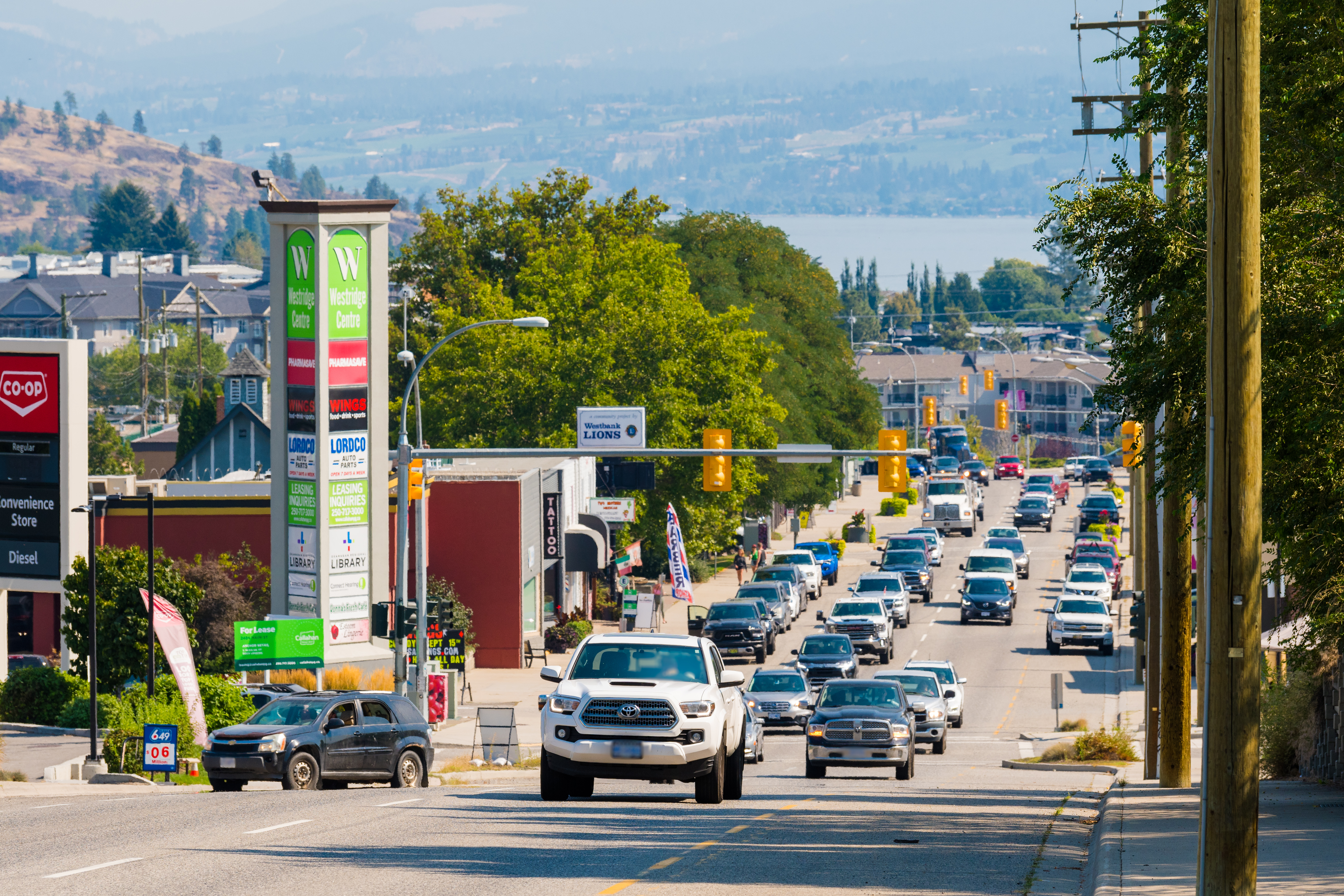
West Kelowna

Peachland

Lake Country

The Central Okanagan Citizens Patrol is a program run by volunteers who offer their time and expertise to be the eyes and ears of their police service.

Personnel who participate in the Citizens Patrol are observers and reporters only. If an offense is witnessed, patrol members are to observe and report the matter. They are not to become directly involved. It is the responsibility of the police to deal with offenders. Occasionally, Citizens Patrol will assist with traffic control/direction at motor vehicle accident scenes. A portion of the basic 6 hours training includes traffic direction and control.

We oversee teams in the following areas of the Central Okanagan:

  • Lake Country
  • West Kelowna
  • Peachland

Contact our Community Safety Coordinator for additional information or get involved as a volunteer.

Every year, crashes involving speed kill or injure more people than those involving alcohol.

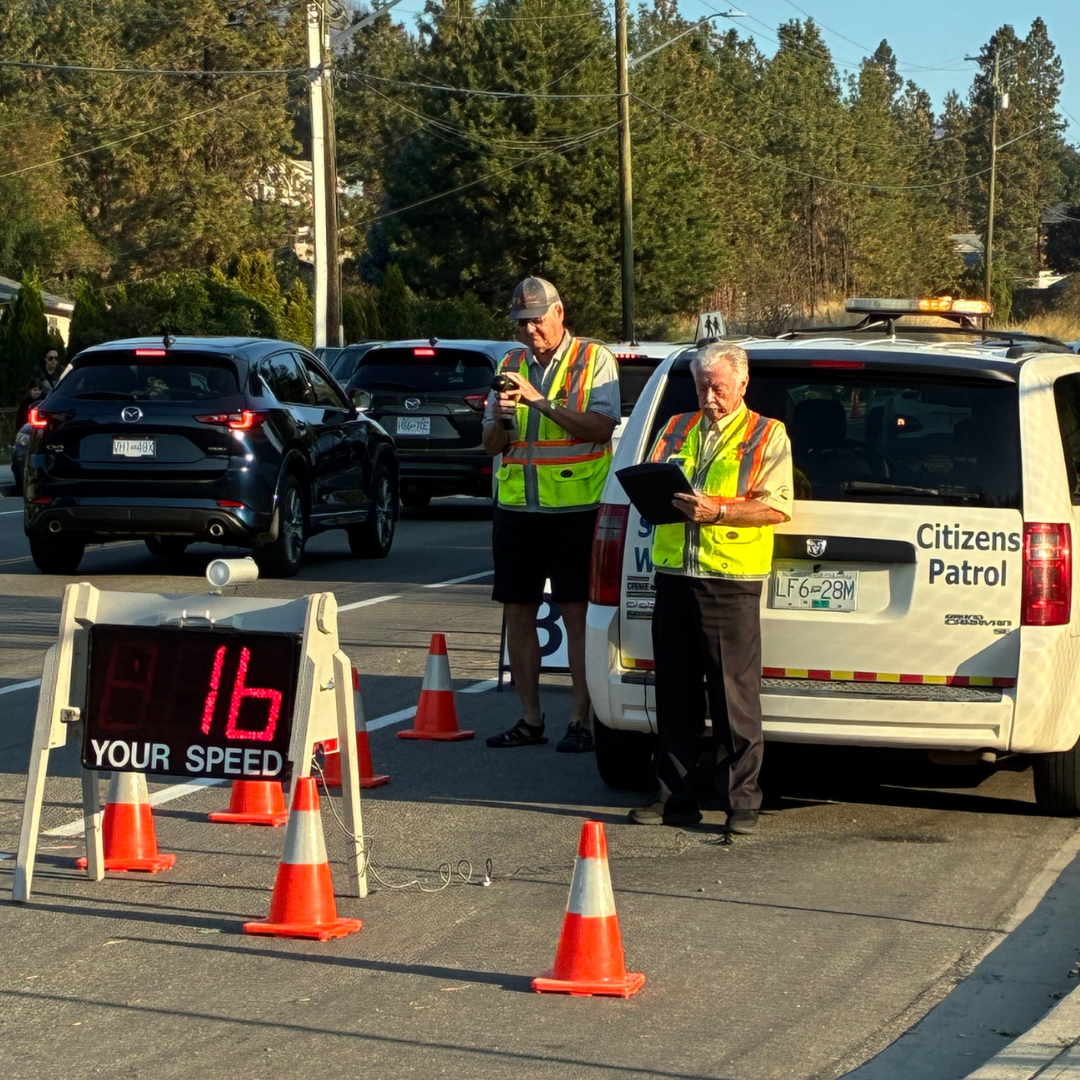
The Speed Watch Program is run by Community Policing volunteers, who monitor speeding in local neighbourhoods. Volunteers use portable radar equipment and an electronic sign for instant feedback, so drivers are aware of their speed.

This program helps address specific traffic problems through:

  • Increased police awareness
  • Public and community education
  • City traffic and transportation section
  • Neighbourhood action

Contact our Community Safety Coordinator for additional information or get involved as a volunteer.

Block Watch brings police and communities together with the common goal of community safety. The inclusive, community-based program involves being alert to your surroundings, talking to neighbours, and being aware of local crime trends and prevention techniques. When neighbours know each other and become familiar with the normal activity patterns within their people can recognize suspicious activity.

Benefits:

  • Recognizing and reporting suspicious behaviour to RCMP.
  • Training to identify suspects and suspicious behaviour more effectively.
  • Access to an experienced crime prevention advocate.
  • Opportunities to improve community connections.
  • Discount offers on home insurance premium (some carriers).

Start a Block Watch program in your community

Contact our Community Safety Coordinator and we will supply you with an information package to get started. The package contains clear steps to take to inform your neighbours on the program and how they can participate. Depending on circumstances, a Block Watch group usually consists of residents representing 10 to 25 homes. Our team will come to your neighbourhood to present an overview of the Block Watch program.

Our presentation is approximately 2 hours and covers:

  • Block Watch - What is it?
  • Target Hardening of your Home
  • Neighbourhood Awareness
  • Marking Valuable Property

The RDCO has partnered with The Greater Westside Board of Trade, City of West Kelowna, Westbank First Nation and RCMP to provide Business Watch, a free program for business owners in the West Kelowna area. The programs offers crime prevention advice and hands-on solutions. Community involvement is integral to assist RCMP to prevent and reduce crime.

Services offered:

  • Developing secure building design.
  • Identifying potential shoplifters.
  • Create a floor layout to reduce theft.
  • Learn to recognize, address and prevent credit card and debit card fraud.
  • Learn effective robbery response techniques.
  • Address workplace violence and personal safety.

Member benefits:

  • Specialized crime prevention services from our Crime Prevention Coordinator.
  • Improve communications with other local business owners and West Kelowna RCMP.
  • Participation in crime prevention and community safety initiatives.
  • No cost security assessment, interior and exterior of building
  • Reduce fear of crime for business owners and their employees.
  • Employee training on robbery prevention, de-escalation, point of sale fraud, etc.
  • Public awareness - a Business Watch logo placed in clear view helps act as a deterrent for criminal opportunities

Register to participate

Complete this registration form and our Community Safety Coordinator will contact you.

529 Garage partnered with RCMP in the Central Okanagan to combat bike theft through improved education, prevention and enforcement. By registering your bicycle with their free program, either online or through their mobile app, you increase the possibility of recovering your bike should it be stolen.

Register your Bike with 529Garage

Watch this short video to see how easy it is to register and protect your bicycle with 529 Garage.

See bicycle theft prevention tips under resources below.

Become a Volunteer

Volunteers are needed in West Kelowna, Peachland and Lake Country for:

  • Citizens Patrol
  • Community Policing Office
  • Speed Watch

Volunteers must:

  • Be at least 19 year of age
  • Be a resident of the area
  • Have no criminal record
  • Complete an RCMP Security Screening
  • Commit to 4 hours per month
  • Have good writing and speaking skills
  • Work well with others in a structured environment

Pick up an application form at any of the RCMP detachments or print and use this Community Policing Volunteer Form. The completed application form along with a clear photocopy of your driver's license may be dropped off at any RCMP detachment. 

Resources

Developing a 9 p.m. routine is a key practice for preventing crime on your property. Every night at or around 9 p.m., do a quick check around your property to ensure:

  • Check and lock all exterior house doors and shut all windows.
  • Lock all your sheds and outbuildings you may have.
  • Close all garage windows and lock any garage doors, especially garages that lead into your house.
  • Close and lock your fence gate
  • Valuables and remotes are removed from your vehicle. Ensure vehicles are locked, windows are closed, and if possible, parked in a garage.
  • If your vehicle is parked on the driveway overnight, ensure that your driveway is well lit.
  • Turn on an exterior lighting around your home.
  • Put away and secure bikes and any other items, like yard tools, left around your yard.

Why is this important? Property crimes are often crimes of opportunity.

See RCMP home security tips for more details.

Auto crime is a persistent threat in BC. You can help protect your vehicle by identifying risks and removing opportunities for thieves.

ICBC auto crime prevention tips:

  • Never leave your keys unattended.
  • Park in secure, well-lit areas.
  • Remove all valuables from your vehicle, such as purses, shopping bags, sports equipment or even loose change.
  • Wait for garage doors or gates to close behind you to ensure no one sneaks in after you.
  • Store your garage door opener out of sight.
  • Use an anti-lock device to secure your vehicle, particularly if it was manufactured before 2007.
  • Don't keep spare keys in your vehicle – this includes spare house, vehicle or mailbox keys.
  • Keep your vehicle away from fencing or shrubs that could conceal a break-in

Lock out auto crime

When you park your vehicle, take a moment to look inside. See what tempting items are left in sight. Loose change, a shopping bag or sports equipment can make your vehicle an easy target. Closing windows and locking doors is only the first step to prevention. You may also want to consider an anti-theft device for your vehicles.

Bicycle theft continues to be a crime of opportunity across the Central Okanagan. Very few stolen bicycles are reported by owners and recovered by police. Unfortunately, many bicycle owners don't record their bike's serial number or have a detailed description/photo to help identify their bike in the event it is stolen.

RCMP bike theft tips:

  • Register your bike for free with the 529 Garage program. This increases the possibility of recovering your bike should it be stolen.
  • Lock your bike whenever you're not riding it. You may want to take the extra step and remove the seat and wheel as an extra deterrent.
  • Be sure to record your bike's serial number somewhere safe at home, as well as a photograph of your bike for reference.

Research has shown that the design and effective use of the built environments can lead to a reduction in both the opportunity for crime and the fear of crime. CPTED is part of a comprehensive approach to crime prevention. CPTED can be applied to identify and remove potential problems in proposed developments. It can also be used to correct existing design problems that may invite crime.

CPTED Objectives

  • Territoriality - fostering resident interaction, vigilance, and control over their neighbourhood.
  • Surveillance - maximizing the ability to spot suspicious people and activities.
  • Activity support - encouraging the intended use of public space by residents.
  • Delineation of space - identifying ownership by identifying private space from public space through real or symbolic boundaries.
  • Access control/target hardening - using physical barriers, security devices and tamper-resistant materials to restrict entrance.
  • Environment - a design or location decision that takes into account the surrounding environment and minimizes the use of space by conflicting groups
  • Image/Maintenance - ensuring that a building or area is clean, well-maintained, and graffiti-free

Are you having an ongoing “break and enter,” vandalism, theft or trespassing problem at your store or home? Our Community Safety Coordinator is available for an on-site assessment of your premises to suggest possible solutions to your problem through the principles of CPTED.

Our Community Safety Coordinator is available to provide advice or presentations to interested parties. Simply contact them for more information.

Our Community Safety Coordinator can supply residents with materials to remove graffiti.

What Is Graffiti?

Graffiti is the willful defacement of someone else's property by writing words or drawings with any marking substance. Graffiti can be placed on any surface including walls, fences, rocks, trees, mail and news boxes, sidewalks, roadways, windows and equipment covers.

Do not ignore graffiti. A leading factor for graffiti vandals is fame or notoriety. By removing graffiti as quickly as it appears vandals are unable to achieve recognition from their peers. If left unchallenged, graffiti can encourage other crimes.

Why Should You Care?

Graffiti is a crime and the incidence of this crime is increasing. It invites other types of vandalism and crime because it implies the neighbourhood doesn't care, cannot keep up with basic maintenance and gives the impression that a neighbourhood isn't safe.

Areas filled with graffiti are less appealing to those who may be looking to buy or rent property. This means properties are values are reduced.

Private property owners and public agencies spend thousands of dollars every year on graffiti removal. Graffiti is preventable, and cleanup costs divert money from other programs.

Think of the 3R's - Recognize, Report and Remove. Residents are asked to recognize that graffiti is a crime, to report graffiti to the Graffiti Hotline and to remove the vandalism immediately following its appearance.

How Can You Prevent Graffiti?

There are several steps you can take to help prevent graffiti:

  • If your property becomes the target of graffiti vandalism, paint over it within 24 hours after it appears. Rapid removal will prevent the offender from achieving recognition.
  • Ensure your property looks occupied. Lock all doors and exterior gates and ensure there is good lighting. Consider installing motion sensor lighting.
  • Remove objects which can be used to access target areas like as rooftops.
  • Eliminate target areas like walls and fences by planting shrubs or brushes in front of them. Landscaping can help. Studies show that graffiti as well as litter is less common in landscaped areas.
  • Cover walls with anti-graffiti coatings.
  • Do not glorify graffiti by using graffiti images in advertising displays.
  • If you sell products that could be used for graffiti vandalism, be careful how you display the products.

Graffiti Hotlines

For residents in the Central Okanagan East and Central Okanagan West Electoral Areas, Lake Country, Peachland, West Kelowna, and Westbank First Nation, report graffiti by calling 250-707-8021.

Residents in the City of Kelowna should report graffiti by calling 250-469-8600.

Contact our Community Safety Coordinator for materials to remove graffiti.
Child ID fingerprinting kits are a free resource offered through the community policing offices. It helps parents and guardians ensure they have a record of their child's personal information, medical history, and a recent picture. The RCMP does not keep a copy of these documents. Fingerprints and all documents remain with parents and should be stored in a safe place.

Contact our Regional Crime Prevention Coordinator and they will supply you with a kit.

What information should you have for each child?

  • A recent photograph (head shot). Child ID recommends children of school age be photographed each year and that pre-school children, particularly those under age 2, be photographed at least every six months.
  • Medical records, including drugs, allergies and medications.
  • Height and weight.
  • Identifying marks, such as birthmarks, scars etc.
  • Copies of custody papers, passports, and birth certificates.
  • Fingerprints.

Why should I fingerprint my child?

Fingerprints will not find a missing child. However, they do help in identification once a child has been found.

How often should a child be fingerprinted?

Although they don't change throughout life, it is useful to update fingerprints for children under the age of 7, because the prints become better defined as they age. A child's footprint is often taken instead of fingerprints under the age of 2 years old. Handprints are taken between the ages of 2 and 6.

Our Regional Community Safety Coordinator can assist in educating people about home security.

You can also check out the RCMP's page on home security tips.

Criminal justice systems around the world today are adopting approaches that minimize the effects of crime on people and communities while helping to prevent offenders from committing more crimes.

Learn about Restorative Justice:

Here are some resources to help you learn about robbery prevention:

Seniors are often victims of scams and frauds because seniors are often stereotyped as being:

  • Weak or frail
  • Individuals who always carry lots of cash with them
  • Easy targets

Crime prevention is mostly a matter of awareness. Most crimes take advantage of opportunity. Reducing or removing the opportunity reduces the possibility of becoming a victim.

Our Community Safety Coordinator can assist seniors from becoming victimized through educational/awareness seminars geared at:

  • Safety on the street
  • Safety in the home
  • Scams and frauds

Contact Us

Regional District of Central Okanagan
1450 KLO Road
Kelowna, BC, V1W 3Z4

Email us

Phone: 250-763-4918

Community safety coordinator
1450 KLO Road
Kelowna, BC, V1W 3Z4

Send an email to community safety coordinator

Phone: 250-707-8021