Growing our trails: Investing in safe, sustainable recreation across RDCO regional parks
Across RDCO regional parks, trails connect neighbourhoods, bring people closer to the outdoors, and offer year-round opportunities to move, explore, and recharge close to home.
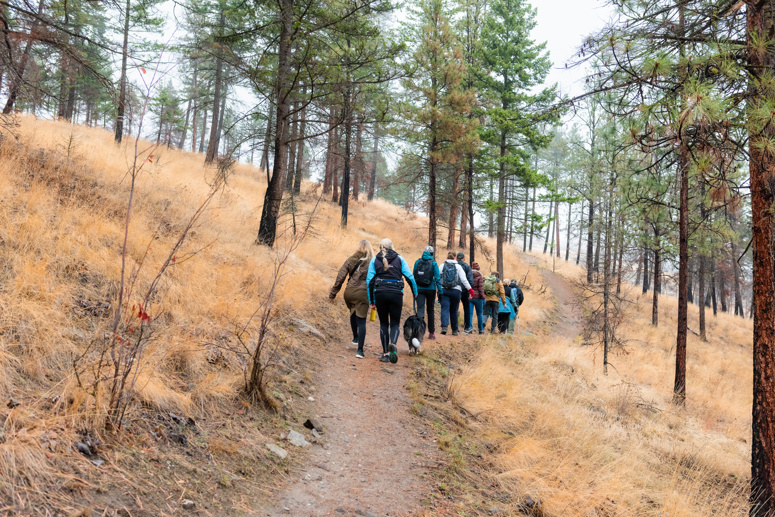
Trails are an essential part of life in the Central Okanagan. They’re where people walk the dog before work, head out for a family bike ride on the weekend or find a quiet moment in nature after a busy day. Across RDCO regional parks, trails connect neighbourhoods, bring people closer to the outdoors, and offer year-round opportunities to move, explore, and recharge close to home.
Investing in trails is about more than recreation. It reflects our commitment to keeping parks safe, accessible, and enjoyable—today and into the future.
Why trails matter
As our region continues to grow, well designed and well-located trails are becoming more important than ever. When trails are easy to reach and clearly connected to everyday destinations, people use them more often. That regular use supports healthier lifestyles by making walking, cycling, and hiking a natural part of daily routines.
The benefits are clear. Time spent on trails supports physical health by helping people stay active and reducing the risk of chronic disease. Just as importantly, trails play a powerful role in mental well-being. Walking or riding through natural areas can lower stress, improve mood, and provide a sense of calm that’s hard to find in more built-up environments.
Trails also bring people together. Shared paths create space for casual encounters, community connection, and a feeling of belonging. When trails are welcoming and designed for a range of users and abilities, they help ensure that everyone can enjoy the benefits of spending time outdoors.
Meeting growing demand
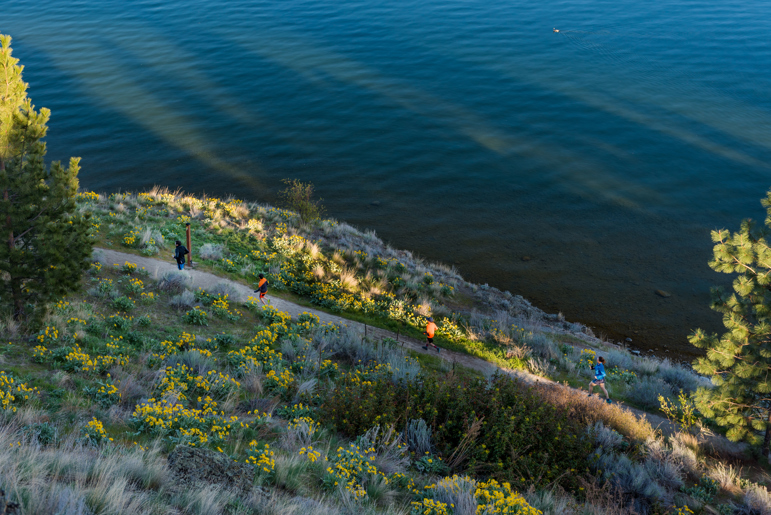
Trail use is increasing across the region. Families, commuters, recreational walkers, cyclists, and visitors all rely on a strong trail network. RDCO Parks Services focuses on building and improving trails that can safely support this growing demand while respecting the surrounding landscape.
Many current projects involve strengthening existing trails—improving surfacing and drainage in busy areas, upgrading signage and wayfinding, and formalizing routes that have developed over time. These improvements make trails safer, easier to navigate, and more consistent for all users, while also reducing impacts on sensitive environments.
Connectivity is another key focus. By improving links within parks and between parks and nearby neighbourhoods, trails can better support both recreation and active transportation. These connections make it easier for people to choose walking or cycling as part of their everyday lives.
Safety first, always
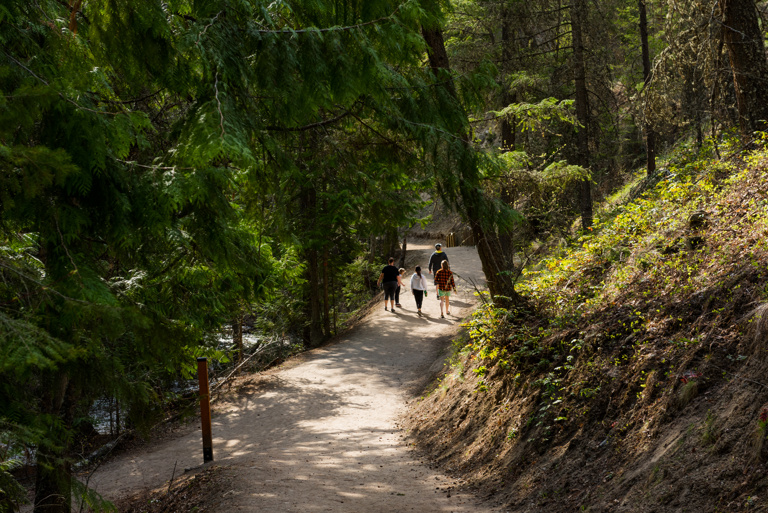
Safety is at the core of every trail project. Recent upgrades have addressed issues such as erosion, drainage, and limited sightlines, helping to reduce hazards and improve overall trail conditions. In some parks, older trail infrastructure is being updated to reflect better how trails are used today.
Trail classifications also help users choose routes that feel right for their comfort level and experience. Alongside these physical improvements, education plays an important role. Clear trailhead information, maps, and etiquette signage set shared expectations, support respectful trail use, and reduce conflict between different types of users.
Protecting What Makes Trails Special
Caring for the natural environment is inseparable from trail planning and construction. Every project considers how trails interact with habitats, wildlife corridors, and natural drainage patterns. Recent work in areas affected by wildfire, for example, has focused on rebuilding trails in ways that support ecological recovery while allowing people to return safely to these valued landscapes.
Healthy ecosystems benefit people, too. Trails routed through well managed natural areas offer more restorative experiences and stronger mental health benefits. Ongoing monitoring helps identify problem areas early, guiding maintenance, realignment, or, in some cases, the closure of unsustainable routes to protect both the landscape and the trail experience.
Looking ahead: What’s planned for the coming year
In the year ahead, RDCO Parks Services will continue to invest in trail upgrades where use is highest, improve the consistency of signage, and work to close key gaps in existing networks. Maintenance will remain a priority, with early attention to drainage, surfacing, and small safety improvements helping keep trails open longer and reduce long-term costs.
At the same time, planning and design work will continue for future projects, ensuring the region is well-positioned to respond to ongoing growth while maintaining strong environmental stewardship and high-quality trail experiences.
Powered by partnerships and community
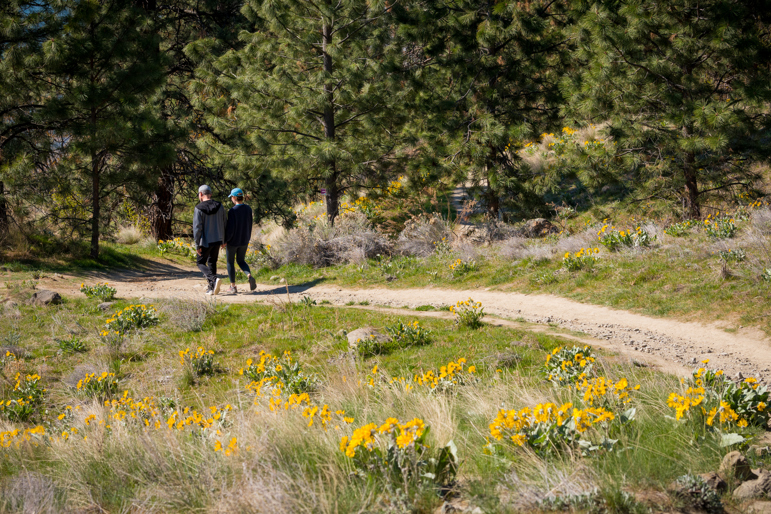
Trails are built and cared for through collaboration. Partnerships with local governments, community groups, volunteers, and Indigenous communities help shape trail priorities and guide stewardship efforts. Volunteers, local knowledge, and public input all play an important role in creating trail systems that reflect shared values and community needs.
Connecting people, protecting places
Through continued investment in trails, RDCO Parks Services is supporting healthier communities, safer recreation, and the long-term protection of natural landscapes. Thoughtful, well-planned trails help people connect with nature—creating inviting spaces to explore, move, and enjoy for years to come.
Contact Us


