Residents urged to remove invasive weeds ahead of summer
 As summer approaches, residents across the Central Okanagan are encouraged to help protect our natural environment by identifying and removing invasive weeds. These fast‑spreading plants outcompete native species, reduce crop yields, threaten livestock and increase wildfire risk.
The Regional District of Central Okanagan’s (RDCO) invasive weeds enforcement program is active from April 1 to September 30, supporting compliance with local bylaws and helping residents manage invasive species on their properties.
If you own property in Kelowna, Lake Country, Peachland or RDCO Electoral Areas East and West it is vitally important to keep property free of noxious weeds and tall grasses due to Noxious Weed Control Bylaw No. 1544. The City of West Kelowna enforces its own Good Neighbour Bylaw No. 151, which includes noxious weeds. All invasive weeds must be controlled and disposed of safely. Always check local regulations before using herbicides and choose eco‑friendly practices whenever possible.
Species of concern
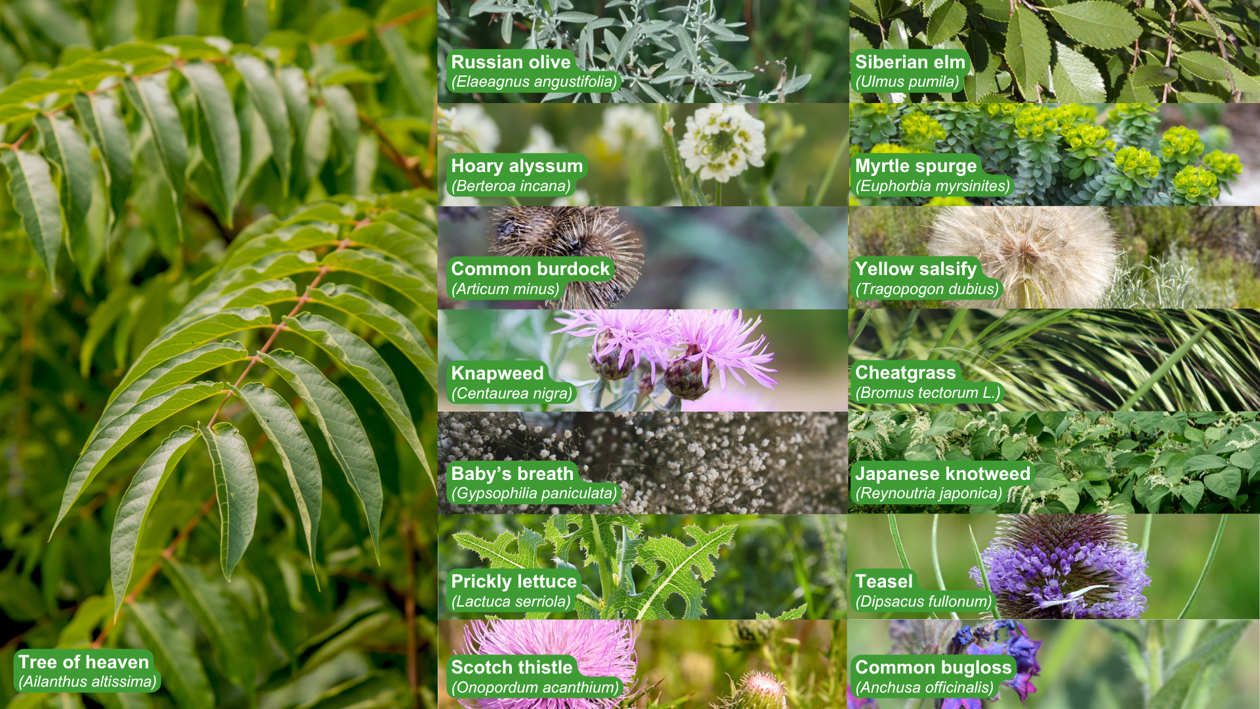
Tree of Heaven (Ailanthus, Varnish Tree) is spreading quickly in the Central Okanagan and is once again the focus of this year’s awareness efforts. It grows rapidly, releases chemicals that inhibit other plants, crowds out native trees and shrubs, produces large amounts of seed and can damage buildings and infrastructure. It has smooth grey bark, long compound leaves, small cream‑coloured flowers and red, winged seeds. Crushed leaves smell strong and unpleasant. All plant material must be bagged and thrown away as garbage, not composted or burned.
Root for Change contest
Through a partnership with the City of Kelowna, the RDCO is offering residents in RDCO enforcement areas the chance to receive a free native tree through the City’s Neighbourwoods program when they remove a Tree of Heaven. If the removed tree has a diameter of at least 10 cm at breast height, residents can apply by submitting a photo through the online entry form. Availability is limited to 100 trees on a first-come, first-qualified basis. This program does not include the City of West Kelowna, which manages its own bylaw enforcement.
Other Weeds of Concern
The RDCO is also monitoring other invasive weeds that affect farms, livestock, natural areas and wildfire behaviour. These include species that harm animals or contaminate hay (Hoary Alyssum, Prickly Lettuce, Common Bugloss, Cheatgrass); plants that are hazardous or difficult to remove (Japanese Knotweed, Myrtle Spurge, Scotch Thistle, Teasel); species that reduce crop productivity (Yellow Salsify, Common Burdock, Knapweed); and fast‑spreading plants like Baby’s Breath, which can increase wildfire risk. Russian Olive and Siberian Elm are also concerns because they grow aggressively and displace native plants. These invasive species spread easily and can cause long‑term damage if not controlled early.
Help protect the health and resilience of the Central Okanagan’s landscape. Residents can report invasive weeds and learn more about the Root for Change contest at rdco.com/weeds. For more information about safe removal and treatment, visit the BC Invasive Species Council at bcinvasives.ca
Contact Us


