Rose Valley Regional Park: Recovery, renewal, and responsible recreation
Rose Valley Regional Park is healing after the 2023 McDougall Creek wildfire, and the signs of new life are already beginning to show.
Rose Valley Regional Park is healing after the 2023 McDougall Creek wildfire, and the signs of new life are already beginning to show. Over the last month, the Regional District of Central Okanagan Parks Services finished burning leftover wood piles from the fire. This helps prepare the land for new plants and trees to grow. As warmer weather arrives, you’ll start to see fire touched areas turning green again.
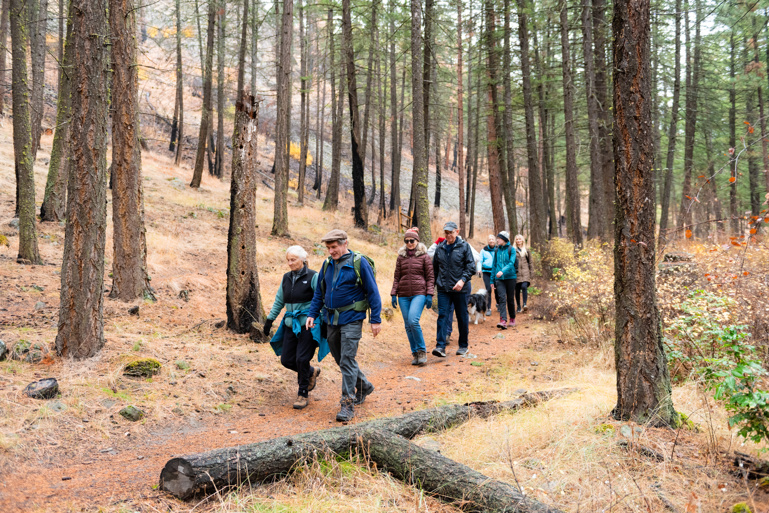
Fire is a natural part of B.C.’s forests. Many plants, animals, and soils are built to recover from it. Parks play an important role in this process by giving nature the space it needs to heal. They also give people a chance to learn and explore in a safe way. To help visitors understand what recovery looks like, Parks Services offers “After the Fire” guided hikes, where you can see new plant growth, wildlife returning, and other signs of renewal. For details, check our current Parks Program Guide.
Parks as partners in recovery
Even though wildfires can look scary, they also help forests grow strong again. In Rose Valley, the fire cleared thick brush, released nutrients into the soil, and created sunny open spaces that many animals and plants need.
The Ponderosa Pine and Douglas fir forests in the park actually benefit from fire. Fire helps keep the forest open and healthy, reduces the chance of larger wildfires, and creates good conditions for new trees to grow. Ponderosa pine trees are built to survive fire. Fire gives their seeds the right kind of soil to grow in and helps many grasses, shrubs, and wildflowers return.
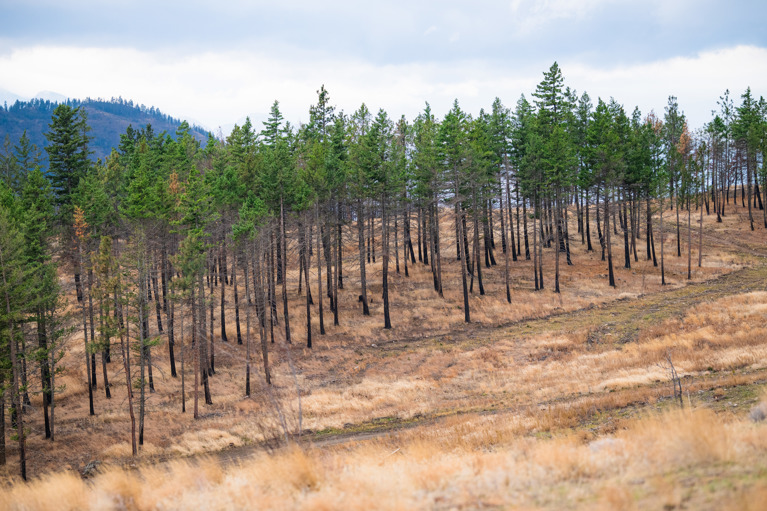
This spring, Parks Services is teaming up with planting contractors and volunteers to plant 20,000 new Ponderosa pine seedlings, riparian tree species, shrubs and grasses in areas that were badly burned. These plantings will help hold the soil in place, create homes for wildlife, and support a healthy forest for the future.
Parks staff are also checking tree health, watching for erosion, keeping an eye on invasive plants, and making sure trails stay safe. This helps the whole ecosystem recover in a safe and sustainable way.
By protecting natural spaces like Rose Valley, regional parks give nature time and room to heal. Fire is a natural part of this ecosystem, and over time it helps the forest grow back—bringing new plants, wildlife, and a healthier park for everyone. Rose Valley’s recovery shows how strong and resilient nature can be when we take care of it.
Recreating safely as the park heals
Rose Valley is open for visitors, but the post fire landscape needs extra care. Please:
• Stay on marked trails to protect new plants and prevent erosion.
• Watch for hazards, like weak trees or uneven ground.
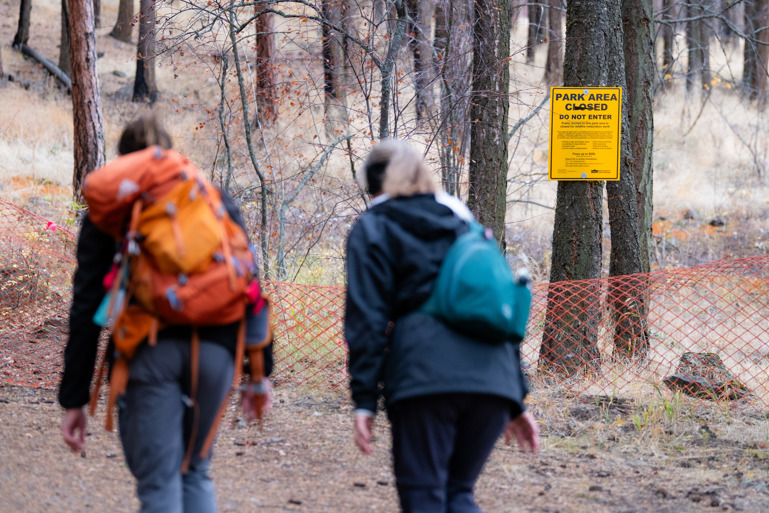
• Follow posted signs and closures to keep yourself and the environment safe.
• Keep pets on a leash, especially where plants and wildlife are returning.
• Help prevent future fires by respecting all fire rules and the no smoking and no vaping bylaws in regional parks.
Your choices matter. When you recreate responsibly, you help protect the progress the park is making.
A shared path forward
Rose Valley Regional Park is a special place for many people. Its recovery is something we can all support. By being respectful visitors and understanding the role parks play in wildfire recovery, we help the park stay healthy for years to come. As the land heals, we invite you to see the changes happening all around. Together, we can support Rose Valley’s renewal and enjoy this beautiful natural space.
Contact Us


