
Hazardous waste
Many household items can be dangerous if disposed of improperly. Products that contain toxic, flammable, corrosive or reactive components are considered household hazardous waste (HHW).
Where to dispose of HHW
Kelowna Recycling (aka Battery Doctors) is a year-round depot for HHW. Limitations and fees may apply.
1972 Windsor Road, Kelowna, BC
Monday to Friday, from 9 a.m. to 4 p.m.
Saturday from 9 a.m. to 3 p.m.
Phone: 250-860-2866
For residents who use the North Westside Road Transfer Station and Traders Cove Transfer Station, the RDCO hosts annual hazardous waste collection events.
Identifying HHW
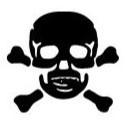
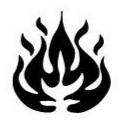
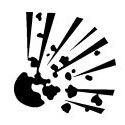
Look for the symbols below or the words Danger, Warning, or Caution on product labels or to help you identify hazardous products.
These items never belong in your curbside cart.
| Toxic | Flammable | Corrosive | Reactive |
|---|---|---|---|
| This symbol indicates a poisonous product which can cause illness. Pesticides, paint thinners, auto products and some cleaners are toxic. | This indicates a product which can catch fire spontaneously or burn easily. Paint, thinners, solvents, and auto products are the most flammable home products. | This symbol indicates the product can cause a chemical reaction which will eat through materials or living tissue. Oven cleaners, drain cleaners, toilet bowl cleaners and auto batteries are common corrosive products. | This symbol indicates the product can react with air, water or other substances to cause rapid heating or explosions. Acids that heat up rapidly and splatter when mixed with water are examples. |
 |
 |
 |
 |
You are responsible for the products you use. Our community's health and environment are at risk. Proper disposal keeps workers safe and reduces environmental impacts.
See guide to household hazardous waste for details.
Common HHW products:
- Batteries: all types, including rechargeable and single use.
- Cleaning products: bleach, ammonia and other strong chemicals.
- Electronics, light bulbs, smoke detectors: any device containing batteries or other hazardous components.
- Paints and solvents: oil-based paints, thinners and varnishes.
- Pesticides and herbicides: chemicals used for pest and weed control.
Safety tips for transporting HHW
HHW requires special handling and disposal.
- Keep material in their original containers.
- Do not mix chemicals.
- Make sure lids are tightly attached to prevent leaks.
- Materials in glass jars or containers are not accepted, unless they are pesticides in the original glass container.
- Ensure products are labelled as best as possible so staff know what they are handling.
- Pack in a sturdy box, taped open or easily opened, and place upright in your vehicle to prevent spills.
- Keep items in the trunk of your vehicle, away from children, pets or food products.
- No empty containers (except paint cans).Containers that are empty and dry can go into your regular household garbage or recycling.
Resources
- Province of British Columbia - Hazardous waste
- Recycle BC - Hazardous materials
- Recycle Council of British Columbia - Household Hazardous Waste
Contact Us
Waste reduction services
1450 KLO Road
Kelowna, BC, V1W 3Z4
Send an email to waste reduction services
Phone: 250-469-6250


