Recycling

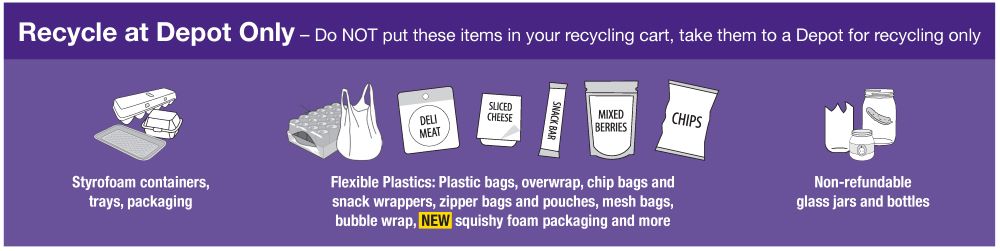
The Regional District of Central Okanagan and its member municipalities (Kelowna, West Kelowna, Peachland and Lake Country) collect curbside recycling on behalf of Recycle BC. Most packaging and paper products can be recycled through curbside collection. Some materials are currently only accepted at depots (i.e. styrofoam, non-deposit glass, flexible plastics).For the full list of materials and where they go see Recycle BC’s What Can I Recycle page.

The RDCO also operates four recycling depots on behalf of Recycle BC.

Recycle BC logo

FAQs

Recycle BC is a not-for-profit organization responsible for residential packaging and paper recycling throughout British Columbia. Recycle BC ensures household materials are collected from households and depots, sorted and responsibly recycled. The program is funded by over 1,200 businesses that include retailers, manufacturers and restaurants that supply packaging and paper to BC residents, shifting costs away from homeowners.

Visit recyclebc.ca for more details.
The City of Kelowna, City of West Kelowna, District of Lake Country, District of Peachland and the RDCO collect packaging and paper on behalf of Recycle BC through a private contractor (Environmental 360 Solutions). As a contractor to Recycle BC, local municipalities and the RDCO follow parameters set for curbside collection by Recycle BC and in turn, Recycle BC funds the collection of residential recyclables. Recycle BC uses a consistent material list for the province, meaning the same materials are accepted everywhere Recycle BC operates.

In June 2022, all Central Okanagan municipalities and the RDCO made the decision to request Recycle BC provide direct service to the Central Okanagan. By May 2026, Recycle BC will provide curbside recycling directly to residents in the Central Okanagan at no increase in cost to homeowners. For more information visit recycle.bc/centralokanagan.

Recycle BC providing direct service reduces financial risk and penalties to municipalities, and ultimately taxpayers. With recycling contamination fines and increasing contract costs, this is the most cost-effective and efficient way to provide these services to residents. With Recycle BC providing direct service, residents will better understand who is ultimately responsible for residential recycling.

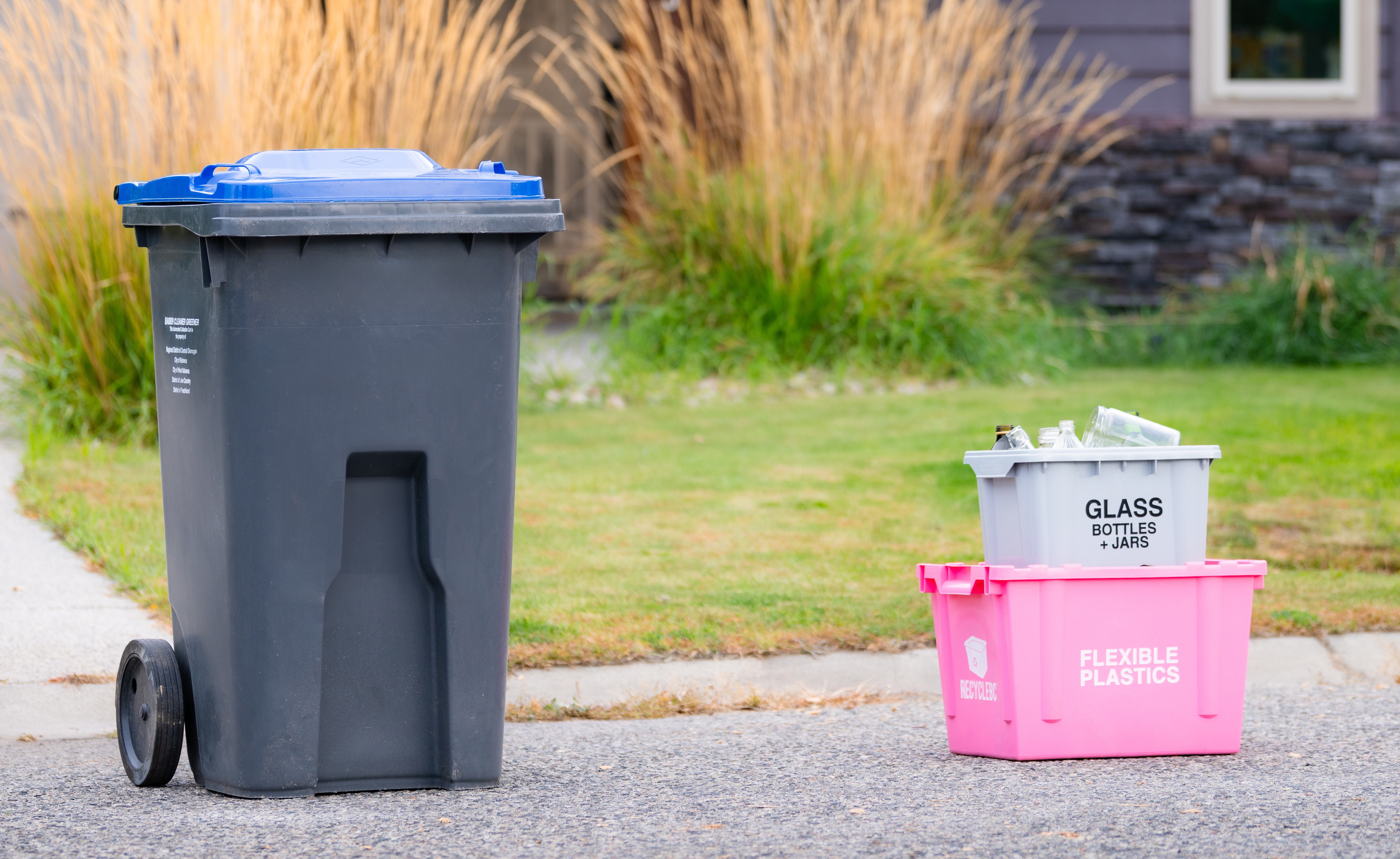
Residents will still be able to recycle all the same material currently accepted for curbside collection in blue lidded carts (paper and plastic packaging). Additional materials to be collected at curbside will include glass (non-deposit bottles and jars) and flexible plastics (i.e.chip bags, zipper-lock pouches, bubble wrap and crinkly wrappers).Pink and grey boxes will be delivered to households between January and April 2026, with instructions on how to use them.

No, Recycle BC is taking on curbside recycling including all costs for collection. The program is funded by businesses, like retailers, manufacturers and restaurants that supply packaging and paper products to BC residents, shifting costs away from homeowners. 

For information on where to recycle small appliances, electronics, electronic toys, light bulbs and fixtures, tires, used oil and antifreeze, batteries, power tools, beverage containers, paint, flammables and pesticides and much more, visit our provincial take-back program page.

Founded in 1974, RCBC is Canada's longest serving recycling council. The organization works on recycling initiatives as well as aiming to avoid and reduce the unnecessary use of resources before they ever need to be recycled.

Curbside collection 

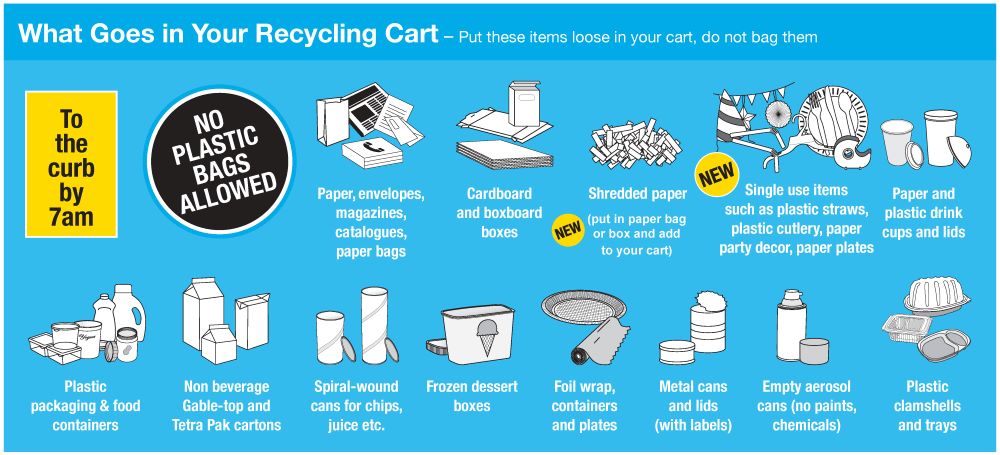
The RDCO and member municipalities provide curbside recycling collection for single family dwellings every other week. Recyclable items should be loose in your cart - do not bag materials.

Curbside collection materials include: paper, cardboard, plastic containers from food/products, single-use items (e.g. coffee cups and lids), tin cans and foil wrap/products.

For the full list of materials see Recycle BC’s What Can I Recycle page.

Recycling Tips

When preparing your materials for recycling:

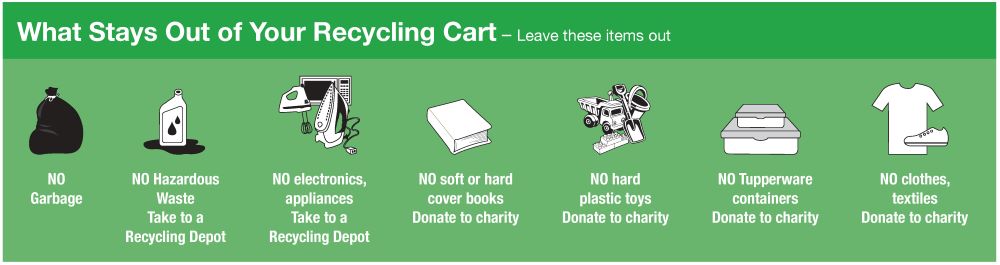
  • Place only acceptable materials in your blue cart (i.e. no soft plastics, glass, electronic or hazardous waste).
  • Rinse all containers to remove grease, liquid or food.
  • Leave all materials loose in the cart; recyclables in a plastic bag can damage machinery or injure workers on the line.
  • Flatten cardboard boxes and securely place them in the cart. Large cardboard items must be no longer than four feet in length.
  • Place shredded paper in a paper bag or box in the cart.
  • Place heavier items on the top to prevent material from blowing out of the bin and littering the streets.


Contamination

Contamination happens when unacceptable materials are included in recyclable materials in curbside carts. 

Why is contamination a problem?

  • It can result in financial penalties to municipalities and could increase costs to taxpayers.
  • Plastic bags do not separate from paper on the sort line and can wrap around sorting equipment causing shutdowns.
  • Hazardous materials, glass and food scraps are a safety concern to workers on the sort line.
  • Contamination can reduce the amount of items that get recycled and repurposed.
snip-contamination.jpg

Recycling depots

Some recyclables must be brought to a depot. Recycling depot materials include: styrofoam, flexible plastics and non-refundable glass jars/bottles. Did you know that BC is a leader in plastics recycling? Learn more about recycling rates on Recycle BC's Our Impact page.

Contact Us

Regional District of Central Okanagan
1450 KLO Road
Kelowna, BC, V1W 3Z4

Email us

Phone: 250-763-4918