
Parks Services 2026: A year of connection, conservation and community
From major infrastructure improvements and accessibility investments to habitat restoration and wildfire recovery, 2026 was a year of action across the Regional District of Central Okanagan's parks system.
From major infrastructure improvements and accessibility investments to habitat restoration and wildfire recovery, 2026 was a year of action across the Regional District of Central Okanagan's parks system. Parks Services continued to enhance the places residents and visitors rely on for recreation, wellness, learning and connection while protecting the natural landscapes that make the Central Okanagan unique.
By the numbers
- 30 regional parks and 20 community parks served residents and visitors throughout the Central Okanagan.
- More than 2,100 hectares of protected parkland were preserved for current and future generations.
- The regional parks system projects 1.93 million visits in 2026.
- Visitors enjoyed over 86 kilometres of designated trails connecting communities with nature.
- 596 different programs, including guided hikes, educational programs, family activities, outreach events and experiences, were offered throughout the year, with over 19,300 attendees.

Highlights from 2026
As visitation continued to grow, Parks Services invested in projects that improve safety, accessibility and visitor experiences across the region. Crews completed trail upgrades, drainage improvements, surfacing, signage and wayfinding enhancements that support both recreation and environmental sustainability.
Bridge infrastructure improvements advanced at Bertram Creek Regional Park and Johns Family Nature Conservancy Regional Park, while new crib stairs at Scenic Canyon Regional Park improved visitor access. Staff also replaced trail railings at Goats Peak Regional Park, upgraded electrical service for lighting at the Scotty Creek Sport Court, completed septic field improvements at Kaloya Regional Park and made substantial progress on the Gertsmar Bridge and Soopallie Trail projects within Mission Creek Regional Park.
Bringing more people outdoors
Throughout the year, Parks Services provided residents with opportunities to discover, learn and connect through a growing range of community programs. From guided hikes and educational workshops to Storytime, Roll & Stroll, wellness activities and seasonal events, these experiences introduced people of all ages to local parks and ecosystems while encouraging healthy, active lifestyles.
The growing popularity of these experiences was reflected in strong visitation across the regional parks system. Approximately 1.93 million people visited regional parks in 2026, representing a 23 per cent increase since 2022 and highlighting the important role parks play in supporting recreation, active transportation and community wellbeing.
Mission Creek Greenway remained the most visited destination, attracting an estimated 419,000 visits. Other popular locations included Mission Creek Regional Park, Gellatly Nut Farm Regional Park and Bertram Creek Regional Park, reflecting continued demand for quality trail, waterfront and nature experiences.
Alongside programming and growing visitation, the department continued to advance accessibility improvements to help more people experience regional parks. Planning and design for trail and parking upgrades at Kalamoir Regional Park were completed, with construction scheduled to begin in 2027. Work also progressed on an accessible dock and connecting trail at Reiswig Regional Park, further reducing barriers to outdoor recreation.

Stewardship in action
Protecting natural ecosystems remained at the core of Parks Services' work throughout the year. Habitat restoration projects at Hardy Falls Regional Park and Mission Creek Regional Park supported healthy salmon populations and strengthened local aquatic ecosystems.
Staff also completed fuel management projects in Three Forks, Shannon Lake Regional Park, Kopje Regional Park, lower Glen Canyon Regional Park and the Pine Loop area of Mission Creek Regional Park to help reduce wildfire risk and improve ecosystem resilience. Invasive species management remained a priority, with targeted treatments and removals undertaken in several parks and community spaces across the region, including Killiney Beach Community Hall, Killiney Beach Waterfront, Kalamoir Regional Park and along Mission Creek Greenway.
Wildfire recovery in Rose Valley Regional Park also continued. In spring, Parks Services staff, along with community partners and local schools, planted more than 20,000 native trees and shrubs in areas badly burned in the 2023 McDougall Creek wildfire.

Responding to the unexpected
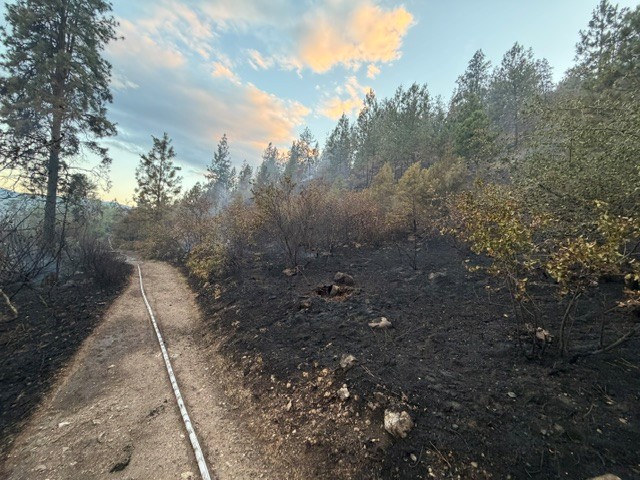
The June wildfire at Kalamoir Regional Park presented one of the year's most significant challenges. Parks staff, contractors and partner agencies responded quickly, carrying out damage assessments, restoration work and safety improvements that allowed portions of the park to reopen during the summer. Through a coordinated recovery effort, the park fully reopened in November.
The recovery highlighted the resilience of both the parks system and the people behind it while underscoring the importance of continued investment in wildfire preparedness and restoration initiatives.
Stronger together
Every achievement in 2026 was made possible through collaboration. Staff, volunteers, Indigenous partners, community organizations and residents contributed their time, expertise and passion to help maintain and enhance our parks. Together, they strengthened stewardship efforts, improved visitor experiences and ensured parks remain welcoming and accessible for everyone.

Looking ahead
As the region continues to grow, Parks Services remains focused on creating exceptional outdoor experiences, protecting natural assets and investing in the long-term sustainability of the regional parks system. The accomplishments of 2026 demonstrate what can be achieved when communities come together around a shared commitment to parks, nature and quality of life.
Thank you to our staff, volunteers, partners and visitors for making 2026 such a successful year. Together, we are protecting the landscapes we love and creating opportunities for future generations to connect with nature across the Central Okanagan.


